
Beer culture in Spain: history and the present day
From the dominance and tradition of wine to the rise of craft beer brewing: this is how beer culture in Spain has evolved and advanced from the past to the present day.

The history of beer in Spain is also the history of a cultural transformation. Indeed, from the first brews made with cereals to the industrialisation of the 19th century, the growth in consumption in the 1980s and the subsequent emergence of microbreweries, this beverage has forged its own place in our national gastronomy. Today’s beer culture is not just about knowing brands, but also invites us to discover styles, ingredients, brewing styles and pairing possibilities.
The arrival of beer and its industrial expansion
Although beer is usually associated with central and northern Europe, its history in Spain dates back to prehistoric times, as various archaeological finds show. However, the spread of Roman culture and the establishment of viticulture favoured the predominance of wine for centuries.
In the 16th century, and the reign of Carlos I, the presence of central European beers at the Spanish court became more popular, although consumption was rather limited. It was not until the end of the 19th century, with the Industrial Revolution, that advances in production, preservation and refrigeration made it possible to develop a more stable brewing industry.
During this period some of the historic Spanish brands emerged and lager-style beers, with a clean, refreshing profile, became popular. The adaptation of these beers to the climate and to consumption habits favoured the spread of beer throughout the country.
The consumption boom of the 1980s
The 20th century marked the definitive expansion of beer in Spain. The growth of cities, tourism and changes in leisure habits boosted its consumption in bars, restaurants and homes.
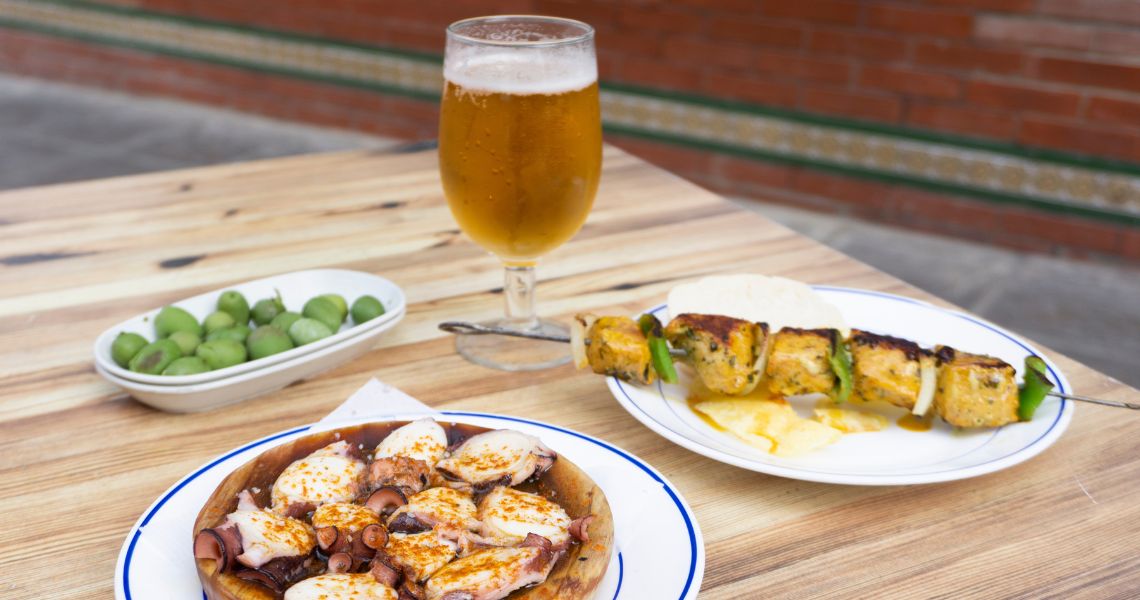
Beer culture became part of Spanish gastronomy and social life. Sharing a few tapas, enjoying a caña (small draught beer) after work or gathering around a table made beer one of the great stars of the aperitif.
However, its popularity did not immediately translate into greater knowledge of the product. Unlike wine, the choice of beer was based mainly on brands, with little attention paid to styles, ingredients, flavours or culinary possibilities.
The rise of craft beer in recent years
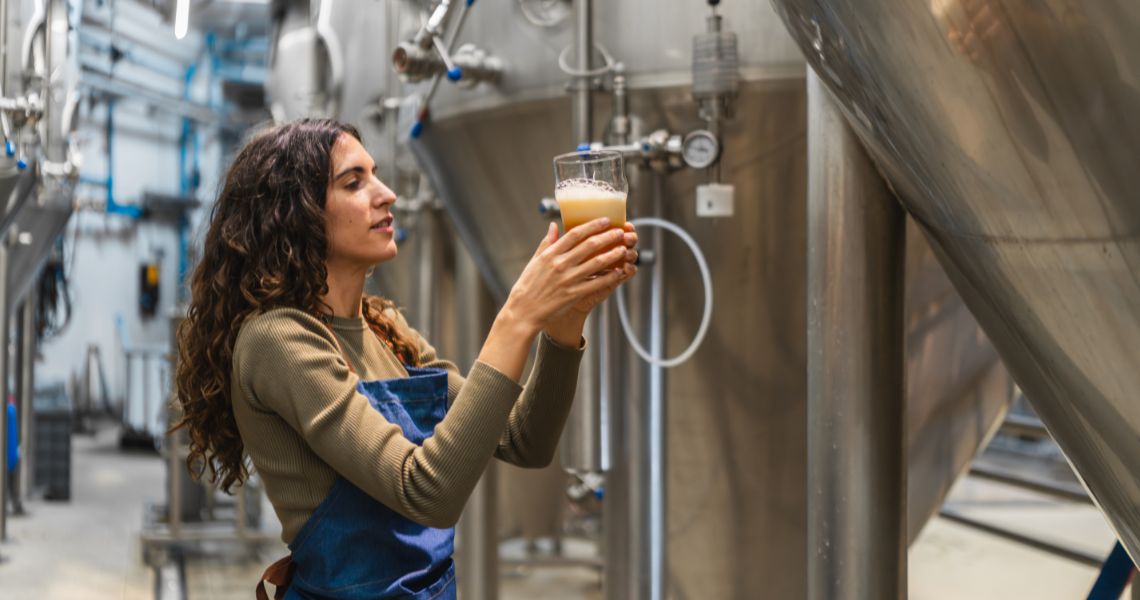
Beer culture in Spain began to transform with the rise of craft beer, especially from 2010 onwards. Microbreweries introduced new recipes, ingredients and techniques, while the large brands broadened their product ranges. As a result, beers from Spain began to offer a greater diversity of styles, from traditional lagers to IPA, stout, wheat beers and amber ale, each with its own nose, flavours and characteristics.
This diversity has aroused greater interest in the origins, ingredients and brewing of beer, making beer enthusiasts more knowledgeable. It has also opened up new culinary possibilities, with pairings that combine different styles of beer with cheeses, meats, fish and desserts, seeking a balance between aromas, textures and flavours.
How the beer culture is experienced today: cañas, training and events
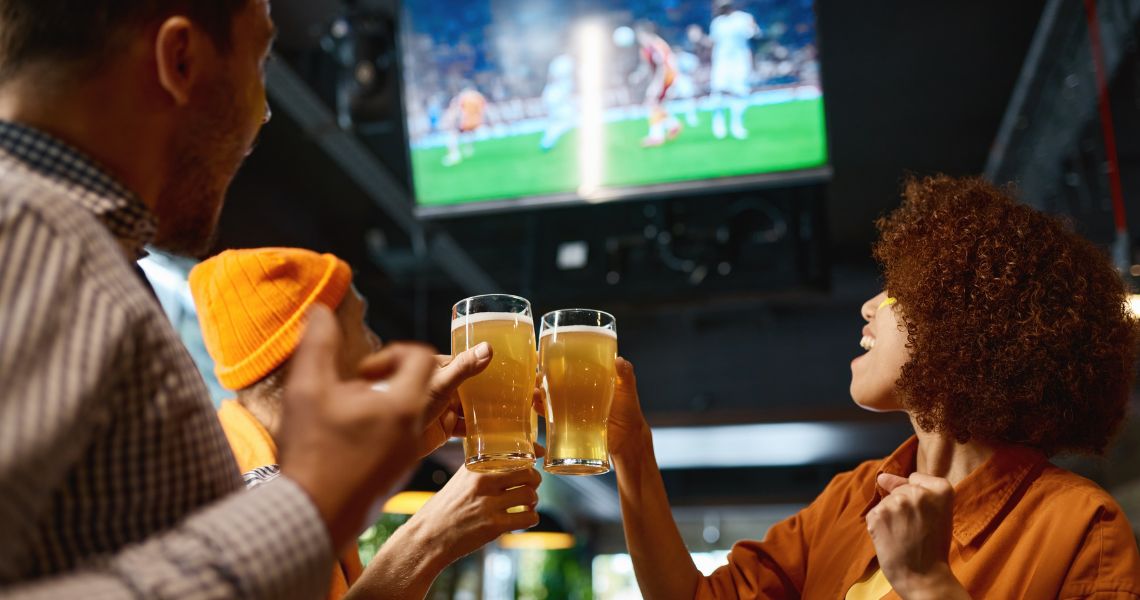
The beer culture in Spain is closely linked to the hospitality sector and social life. The caña, the aperitif and tapas culture are part of a tradition that place just as much importance on the drink itself as to the company. However, in recent years interest in learning about brewing styles and processes has also grown, thanks to tastings, courses, festivals and beer gatherings that bring this world closer to professionals and enthusiasts alike.
This evolution has driven specialisation and an increasingly diverse range of brews, in which mass-produced beers, craft, international and alcohol-free beers all coexist together. Thus, discovering the best beers in Spain is not simply a matter of choosing a brand, but of getting to know the different styles and finding the one that best suits each taste and occasion.

Spain versus Germany and Belgium: what we still have to learn
Although beer is hugely popular in Spain, its culture still differs from that of countries such as Germany and Belgium, where beer styles, brewing techniques and traditions form part of their cultural identity. In fact, the Belgian beer culture was recognised as Intangible Cultural Heritage by UNESCO in 2016.
In Spain, the main challenge now is to match the popularity of beer with greater knowledge of the product, and the rise of microbreweries, the diversity of styles and training activities are driving that evolution. There can be no doubt that the Spanish beer culture continues to build its own identity, closely linked to gastronomy and social life.
What do you think about?
Share comments, opinions and tricks with the Community