

Age of dogs in humans: how to calculate their real age and take care of each stage
Do you know how to calculate the age of dogs in humans? Forget the myth of the seven years. Learn how to know their real age and adapt their diet with Consum.

Have you ever wondered how you can know the age of dogs? For decades we have repeated that each year of a dog’s life is equivalent to seven human years, but the reality is much more complex: dogs age very quickly during their early years and then, the pace slows down. Besides, the size, breed and other factors influence their longevity. Let’s take a closer look.
The false myth of multiplying by seven: how do our furry friends really age?
As already mentioned, the well-known rule of multiplying the dog’s age by seven is too simple to explain a complex biological process. A one-year-old puppy, for example, has already reached a physical and sexual maturity that does not correspond to that of a seven-year-old.
Research on canine aging shows that age does not advance at a steady rate. So, in order to precisely know the age of dogs in human terms, apart from the years they have lived, their development and individual characteristics must be taken into account.
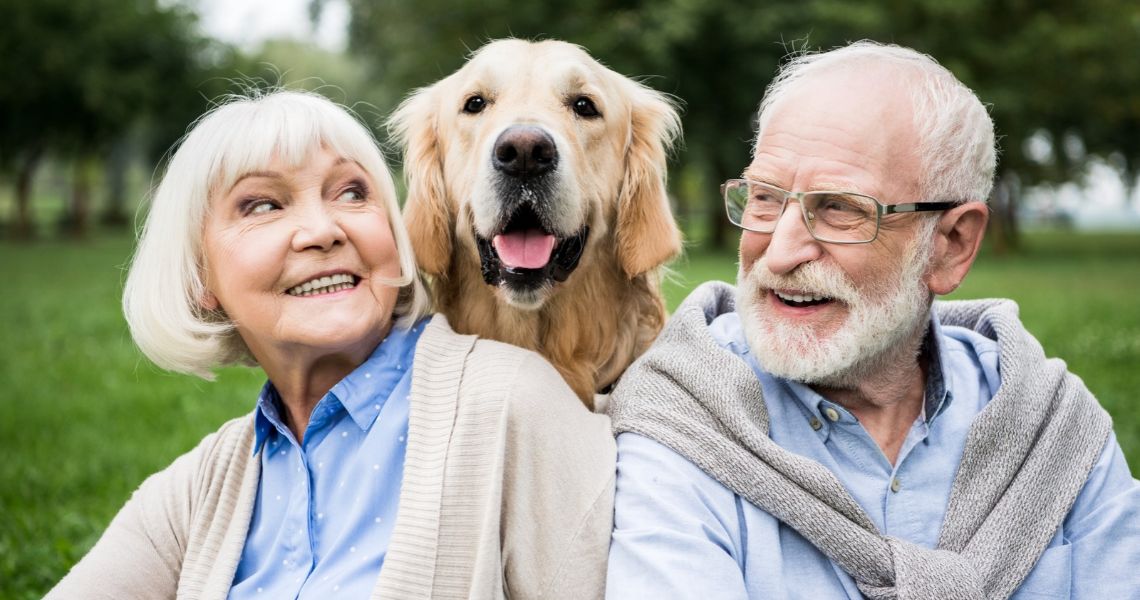
The scientific formula for calculating the age of dogs in humans
Research published by the scientific journal Cell Systems analysed DNA methylation changes (a marker used to study biological aging) in 104 labradors between a few weeks and sixteen years old. Based on this data, the researchers proposed a formula that is consistent with the idea that dogs age much faster during their early years and that this rate slows down afterwards:
Human age ≈ 16 x ln(dog’s age) + 31
The formula uses the natural logarithm (ln),which can be used in the mobile phone’s calculator. For example, if your dog is 2 years old, type 2 and press the option “ln”: the result is approximately 0.693. Then do the rest of the operation: 16 x 0.693 + 31 = 42. So, a 2-year-old dog would be equivalent to approximately 42 years.
But be careful: this formula is not the exact one for all dogs. The study was carried out only with labradors and the researchers themselves have pointed out the need to expand the research to other breeds. This is why, rather than looking for an exact figure, it is useful to understand what stage of life each animal is in.
The size factor: why small breeds live longer than giant breeds
Here is one of the keys to interpreting the age of dogs: size matters. In general, small dogs have a longer life expectancy than large and giant dogs. A 2024 study based on more than 584,000 British dogs of different breeds concluded that small and long-nosed dogs live longer, on average, than large dogs with short snouts.
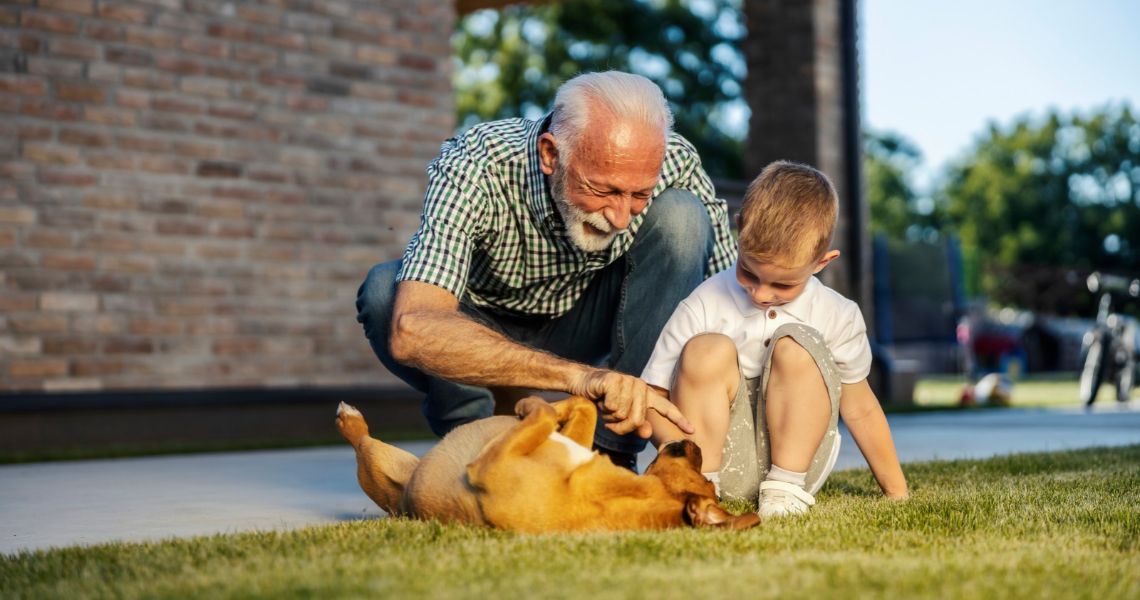
Puppy and youth stage (0-2 years): explosion of energy and development
A huge number of changes are concentrated in the first months: growth, physical maturation, learning and socialization. The diet must be adapted to their growth needs, making sure that they get the nutrients and energy they need and avoiding excess calories that can promote weight gain. During this stage, habits are also established and these will accompany the dog for years: adequate exercise, education, veterinary checkups, vaccinations, and dental care.
Canine maturity (3-7 years): weight management and muscle maintenance
Although an adult dog continues to behave like a puppy when they hear a treat bag being opened, their needs have already changed. In adulthood, it is advisable to keep a special eye on weight and body condition, maintain regular physical activity and take care of muscle mass.
A diet adjusted to their activity level, again, is the most appropriate measure. Dental prevention, on the other hand, is still important, as periodontal disease can cause pain and affect quality of life.
Care for senior dogs (+8 years): dental health, joints and diet
Age 8 can mark the beginning of the senior stage in many dogs, but not in all: a small dog can maintain maturity for longer, while a large one can enter that phase earlier. Here it is worth paying special attention to teeth and gums, mobility, weight and possible changes in behaviour. Nutritional needs also change: energy expenditure tends to decrease throughout life, although the specific needs depend on each animal.

At Consum, you will find food adapted to the different needs of dogs from their first months to senior age. Keep in mind too that, in the event of any change in weight, appetite or behaviour, it is advisable to consult your vet to assess whether it is necessary to adapt their diet.
Knowing the dog’s age can be a curiosity but what is really important is understanding what our four-legged companion needs at each stage. This way we can adapt their care and help and help them stay healthy and active longer.
What do you think about?
Share comments, opinions and tricks with the Community